We are
WELL I AM
Being progressive extends beyond our operations; it's also about how we treat our people.
Being progressive extends beyond our operations; it's also about how we treat our people.
When Paul Rangiwahia first began working with Matahio, the focus was not on rolling out a formal wellbeing programme. It was about getting to know people.
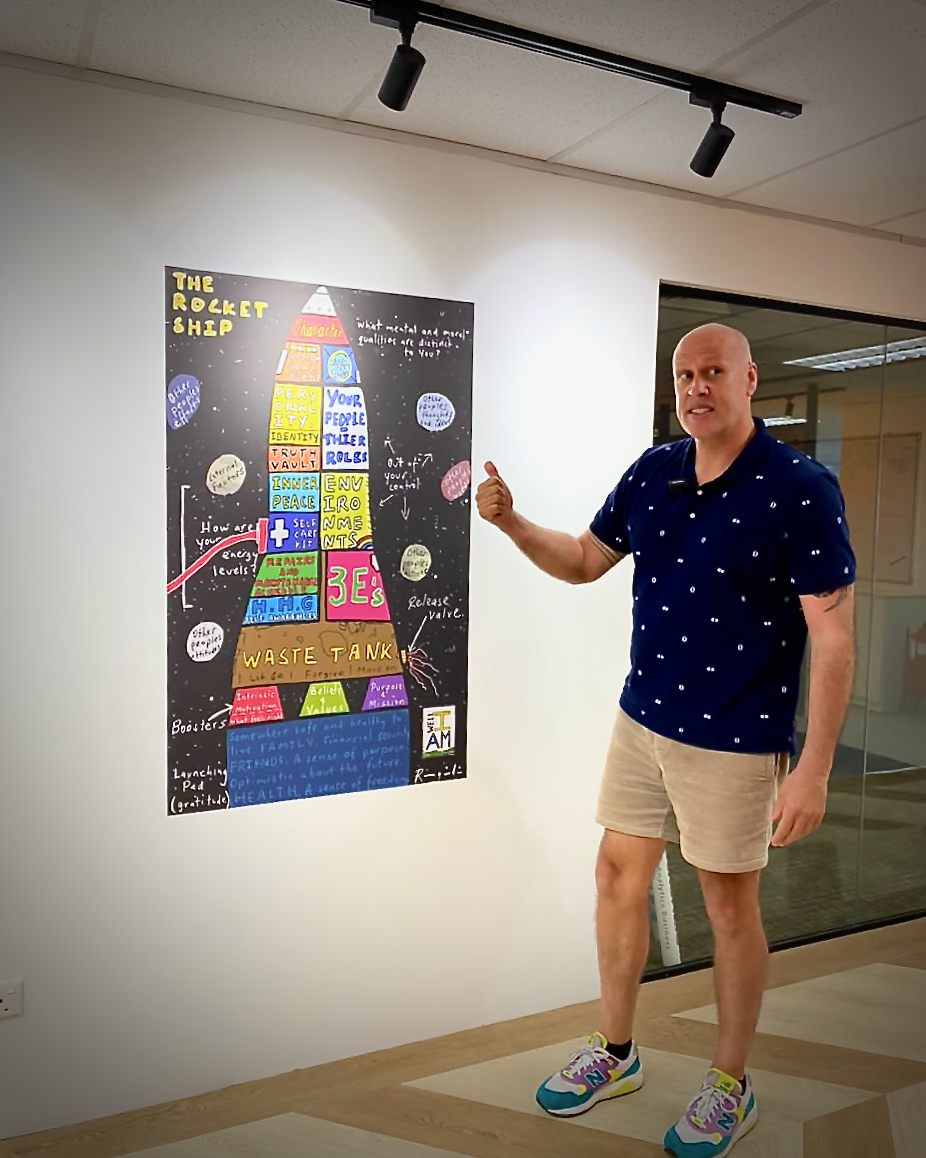
Paul, an artist and wellbeing coach, was invited into the business in a way that allowed him to meet teams across offices, introduce himself as a person, share his artwork, and begin conversations about what mental wellbeing could mean in the everyday life of the organisation. Together with the Matahio team, after a period of intent listening to the organisation, he also helped create a piece of art depicting the guiding principles for the business - a visible and shared reference point for the culture we wanted to build.
For Paul, what stood out from the beginning was Matahio’s desire to do things differently. The senior management team did not necessarily have all the answers, but they saw an opportunity to build a culture that felt natural to the business and its people. That openness became an important starting point.
Matahio speaks of itself as a progressive energy company. Paul’s work helped extend that thinking further: if the business wanted to deliver progressive energy, it also needed progressive people. Mental health and mental fitness could not be treated as a luxury, an add-on, or an afterthought. They had to become part of how people lead, communicate, respond and work together, and importantly, a driver for continuous improvement across all these aspects.
In the energy sector, where operational environments can be demanding and high-pressure, this matters. Paul’s view is refreshingly practical. Mental wellbeing is not about having the perfect answer every time. It is about noticing when something is not right and responding quickly, positively and constructively. When communication breaks down, when a relationship is affected, or when someone is not feeling at their best, the important thing is to act before small issues become larger ones.
This approach is deliberately simple.
At Matahio, mental wellness support includes clear pathways for people to reach out - within their teams, across the organisation, or externally through Paul as a neutral coach, as well as through Employee Assistance Programme [EAP] support. His artwork is displayed around offices as a visual reminder and conversation starter, helping to normalise wellbeing in a way that feels accessible rather than heavy.
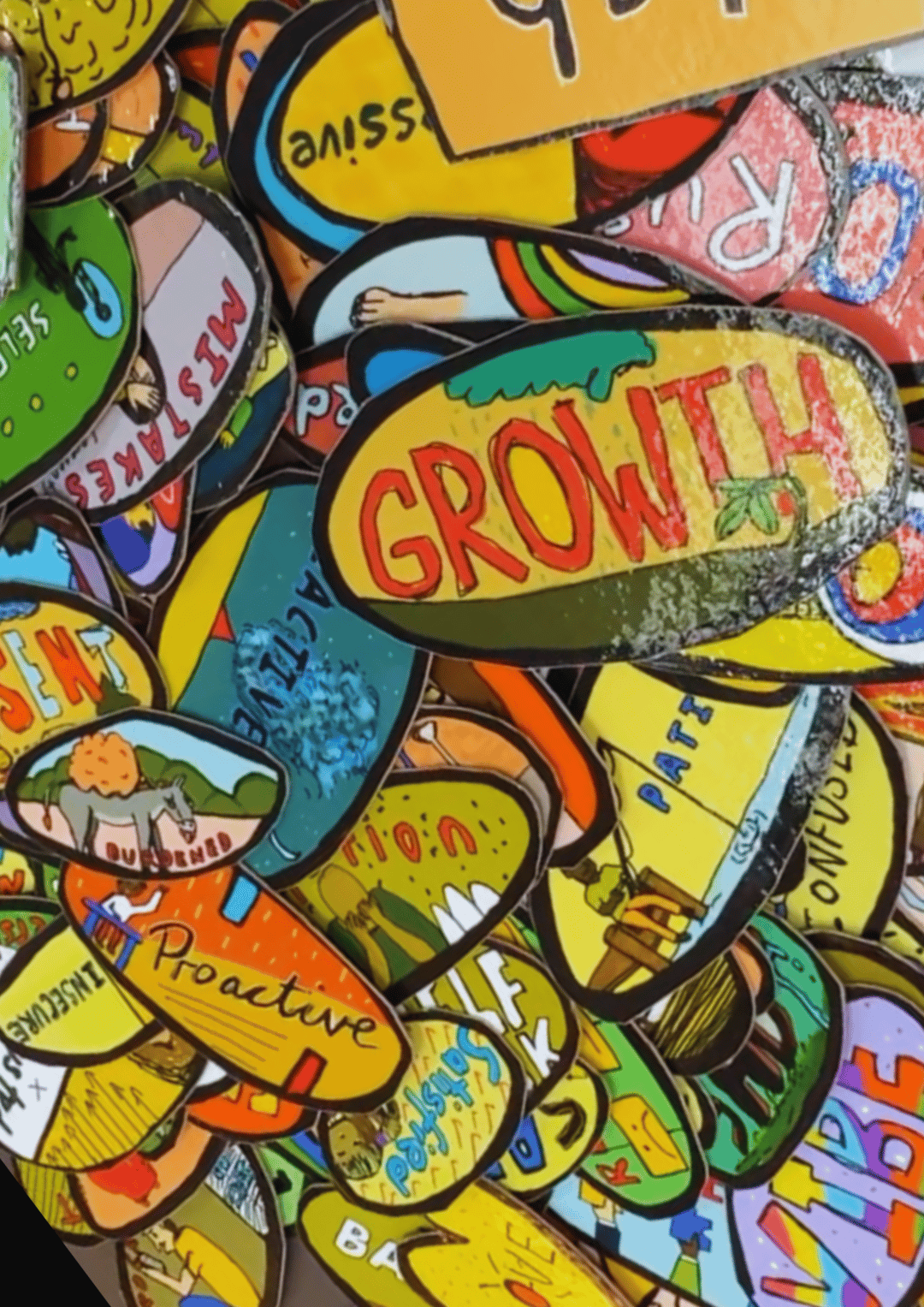
In 2026, the work continues through small, regular practices. Weekly challenges, based on the messages in Paul’s mental fitness artwork, give people one simple idea to focus on. Daily “bites” offer practical prompts - perhaps a few minutes of stretching, a kind action, or writing down three things to be grateful for at the end of the day. The point is not to force participation, but to make healthy habits available and familiar.
Leadership is central to this work. Paul believes people need to see leaders working on themselves too. It is difficult to ask others to think differently about mental wellbeing if leaders are not also “having a crack at it” themselves. Sometimes the most powerful leadership behaviour is simple: taking two or three minutes to listen properly, with full attention, rather than being only half-present.
He also speaks of the need for “firebreaks” in business - small pauses and spaces that prevent pressure from spreading until people are constantly in crisis. In practical terms, this means being aware of workloads, checking how people are coping, and creating an environment where people want to contribute, not merely endure.
The shifts Paul has observed are important. In psychologically safe environments, people are more willing to speak up, contribute ideas, acknowledge mistakes, and ask for help. Communication becomes more constructive. Energy improves. Trust grows. People support one another more naturally. And when people feel better and safer at work, they make better decisions.
This is where mental wellbeing becomes sustained business wellbeing.
For Matahio, this work is not about grand gestures. It is about the small things done consistently: a check-in, a conversation, a moment of encouragement, a visible reminder, a practical tool, a leader who listens, a team that responds early rather than waits too long.
Over time, these small things create momentum. They help people take ownership of the environment they are part of. They help build a culture that people want to protect and sustain.
That is the evolution Matahio is working towards - a business where progressive energy is matched by progressive people, and where mental wellbeing is understood not as separate from performance, but as one of the foundations that makes performance possible.